1. Understanding Firmness Levels
Firmness labels are not standardized across brands. Use them as a starting point, then compare construction, effective loft, adjustability, and return terms:
- Firm: Some contouring with stronger resistance to compression.
- Extra firm: Less sink and a more stable feel, with less tolerance for choosing the wrong height.
- Adjustable firm: Removable fill lets you tune height and resistance instead of accepting one fixed profile.
2. Choosing Firmness by Sleep Position
Side Sleepers
Start with: A higher effective loft that fills the shoulder gap without tilting the head upward. Firm or adjustable fill may help preserve that height.
Back Sleepers
Start with: Medium loft and enough resistance to support the neck curve without pushing the head forward.
Combination Sleepers
Start with: Adjustable fill or a reversible profile so height can work across more than one position.
3. Contour vs. Traditional Shape
When searching for a firm pillow, the shape is just as important as the density:
- Contour (Cervical): The wave-like shape physically cradles the neck, providing a "locked-in" feel. Best for chronic neck pain, back sleepers needing stability.
- Traditional (Soap): Relies entirely on foam density. Best for stomach sleepers or those who dislike the contour look.
4. Material Considerations
- Memory Foam: Excellent pressure relief, conforms slowly, holds shape well. Can achieve 6-9 firmness depending on density.
- Latex: Naturally firm, faster rebound, durable, cooling. Tends to feel firmer than memory foam of same density.
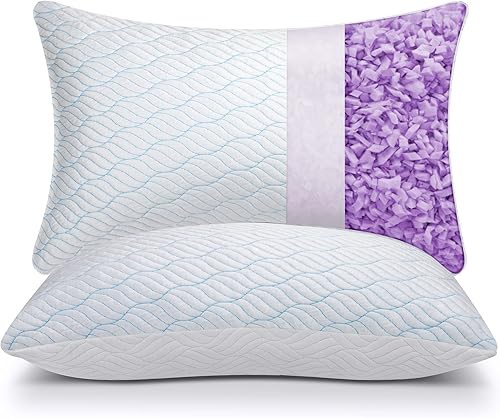
- Shredded Memory Foam: Customizable firmness by adding/removing fill. Fill to 90-95% capacity for maximum firmness.
Quick Selection Guide
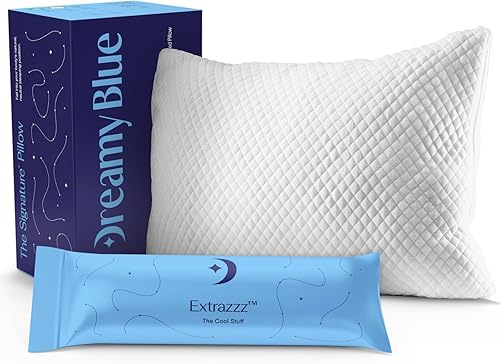
- First firm pillow? Try DreamyBlue Signature for adjustable firmness
- Neck support shopper? Compare Mellow Sleep Halo for a reversible cervical-oriented feel
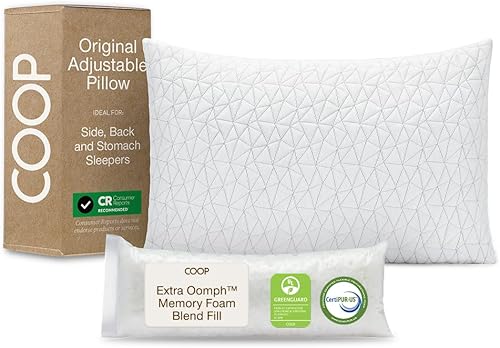
- Need extra firm? Add maximum fill to Coop Home Goods
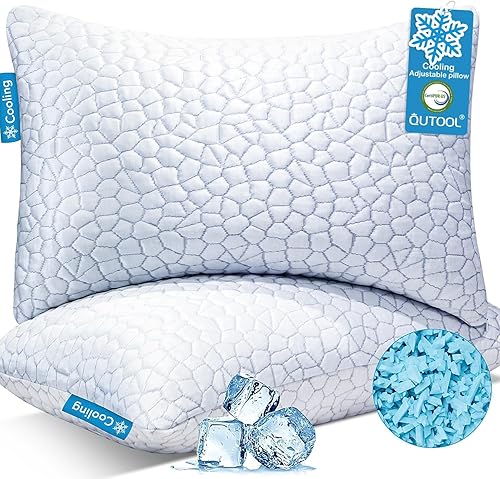
- Budget-conscious? QUTOOL offers firm gel foam support at a lower price